
Common Goat Ailments: Signs, Treatments, and Supplies Every Herd Needs
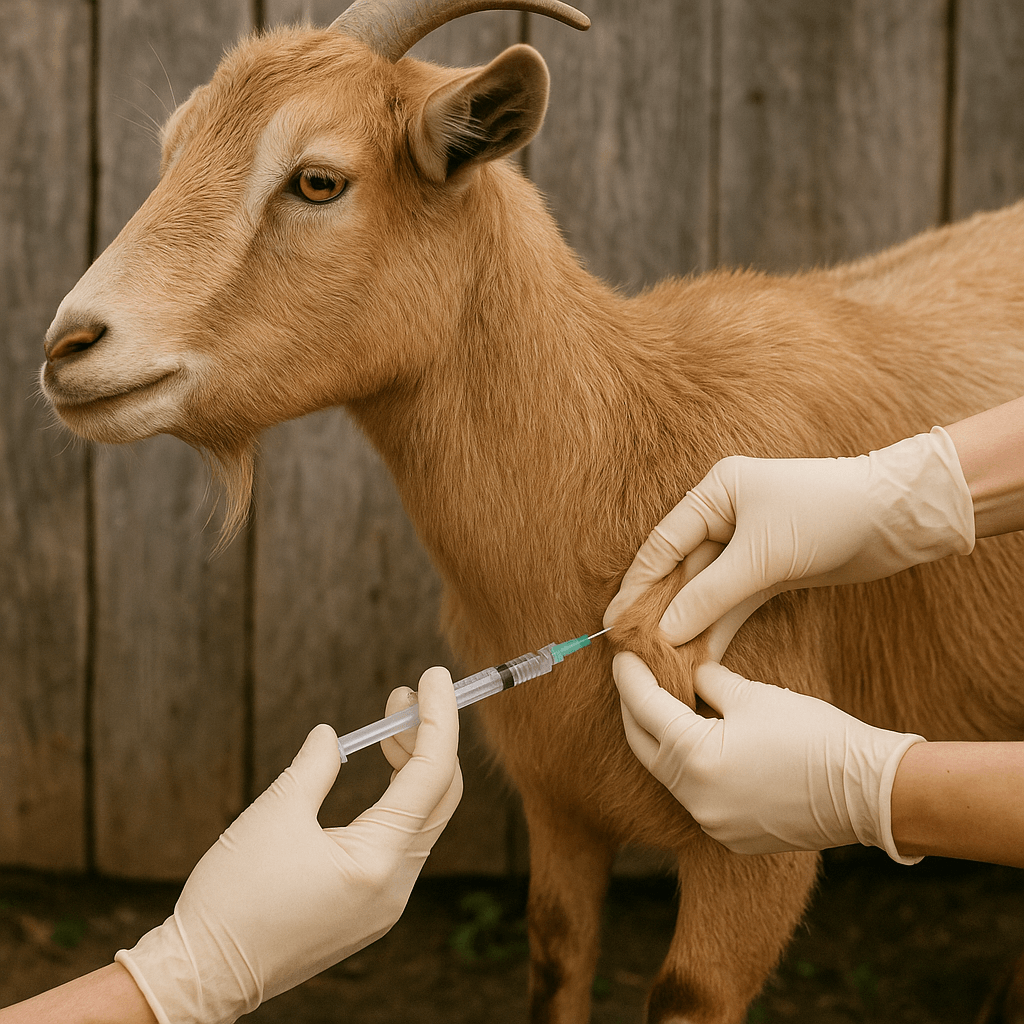
Even healthy goats can occasionally suffer from illness or injury. Recognizing the symptoms of common goat ailments, having the right medications and tools on hand, and acting quickly can significantly improve recovery outcomes. Below is a detailed guide to the top goat ailments, their signs, how to treat them (including medication names and dosages), and a list of must-have supplies for every goat keeper. For more in-depth information, try the Sick Goat page at Natures Nook Farm. Universities also provide information on goat illnesses.
1. Internal Parasites (Worms), Top Goat Ailments
Signs:
- Pale lower eyelids (anemia) (learn how to check FAMACHA)
- Weight loss, poor body condition
- Diarrhea (Scours)
- Severe Cases have swelling under the jaw (“bottle jaw”)
Treatment:
Fecal tests should guide treatment. Must have a scale to weigh goat. Recommend administering 2 or 3 of the below dewormers at the same time. Common dewormers:
- Valbazen (Albendazole): 1 cc per 25 lbs orally (avoid in pregnant does, use Safeguard instead)
- Cydectin: doses vary depending on variety. All does are by weight of goat.
- Prohibit: Must be mixed from a powder. Requires scale and measured containers to mix.
Prevention:
- Practice rotational grazing
- Use FAMACHA scoring
- Avoid overcrowding pastures
- Daily Livamol with Bioworma can reduce parasite load on pasture
2. Coccidiosis
Signs:
- Diarrhea (mainly in kids less than 5 months of age)
- Poor growth
- Weakness, lethargic
Treatment:
- Toltrazuril:
- Treatment: 1 cc per 5 lbs, orally one time
Prevention:
- Dry bedding
- Avoid stress during weaning
- Use medicated feed
3. Bloat
Signs:
- Swollen left side
- Grinding teeth, discomfort
- Difficulty breathing
Treatment:
- Mild: Offer baking soda, massage rumen, walk goat
- Severe:
- Therabloat or Bloat Guard
- Stomach tubing
- Emergency vet care for trocarization
Prevention:
- Introduce grain/pasture gradually
- Provide free-choice baking soda
- Ensure consistent access to roughage
4. Foot Rot / Hoof Scald
Signs:
- Limping
- Odor from hooves
- Swollen, tender hoof tissue
Treatment:
- Trim hooves
- Soak in 10% zinc or copper sulfate solution
- Apply Kopertox or Hoof ‘n Heel multiple times a day
Prevention:
- Dry pens
- Regular trimming
- Straw cover muddy pasture by sleeping area
- Lime bedding areas
5. Mastitis
Signs:
- Hard, hot, or swollen udder
- Clumpy or bloody milk
- Reduced appetite
Treatment:
- Today or Tomorrow intramammary tubes
- Penicillin: 1 cc per 20 lbs SubQ, 5 days
- Banamine: 1 cc per 100 lbs SubQ
Prevention:
- Maintain udder hygiene
- Avoid abrupt weaning
- Cull chronic cases
6. Pink Eye
Signs:
- Crusty, swollen, or weepy eyes
- Cloudiness
- Sensitivity to light
Treatment:
- Terramycin eye ointment 2x daily for 5–7 days
- LA-200: 1 cc per 20 lbs SQ, repeat every 3 days
- Isolate affected animals
7. Caseous Lymphadenitis (CL)
Signs:
- Abscesses around lymph nodes (mainly jaw and neck area)
- Pus-filled lumps that may rupture (highly contagious and can live on pasture for years)
Treatment:
- Drain and flush with iodine under vet supervision away from herd
- No cure—consider culling or isolation
Prevention:
- Test all new goats
- Use clean needles
- Vaccinate with CD&T in endemic areas
8. Urinary Calculi (Buck Goat Ailments)
Signs:
- Straining to urinate
- Dribbling urine
- Swollen belly or sheath
Treatment:
- Ammonium chloride: ¼ tsp per 100 lbs orally
- Immediate vet assistance for blockage
Prevention:
- Balance calcium:phosphorus ratio (2:1)
- Add ammonium chloride to feed
- Ensure clean water access
9. Pneumonia
Signs:
- Cough, nasal discharge
- Fever
- Labored breathing
Treatment:
- Nuflor: 6 ml per 100 lbs IM every 4 days
- Excenel: 1.5 ml per 50 lbs IM
- Banamine: For inflammation/fever
10. Nutritional Deficiencies
Selenium Deficiency:
- White muscle disease
- Bo-Se injection: 1 cc per 40 lbs SQ
Copper Deficiency:
- Faded coat, fish tail
- Copper bolus (Copasure): 2g for kids, 4g for adults
Prevention:
- Provide goat-specific minerals
- Adjust supplements to regional needs
🧰 Must-Have Health Tools & Supplies for Goat Ailments
Managing goat ailments successfully means being ready before illness strikes. Here’s a basic goat health kit when beginning:
✅ Medical Equipment
- Digital thermometer (normal: 101.5–103.5°F)
- Livestock scale or weight tape
- Syringes (3 ml to 12 ml)
- Needles (18g–20g)
- Latex gloves
- Hoof trimmers
- Stomach tube & drench gun
✅ Medications
- Dewormers: Cydectin, Safeguard, Valbazen or Albendazole, Prohibit
- Prohibit requires gram scale and 50ml measuring tube with caps
- Coccidiosis: Toltrazuril
- Antibiotics: LA-200, Penicillin, Nuflor, Excenel
- Pain relief: Banamine
- Topicals: Terramycin, Kopertox or NuStock
- Vitamins: Bo-Se (Rx), B Complex, Thiamine
- Electrolytes and Probiotic Plus Paste
- Ammonium chloride
- Free-choice minerals and baking soda
🐐 Final Word
Understanding common goat ailments, recognizing early warning signs, and having the right medications and tools at the ready will help you keep your herd healthy and reduce losses. Regular health checks, good nutrition, and bio-security are the best forms of prevention.




Add Comment