
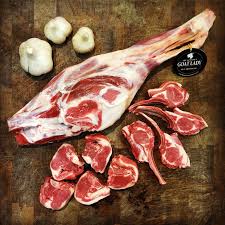
Why the world eats more of it than you think—and why it deserves a place on your plate
Goat meat—often sold as chevon (adult goat) or cabrito (young goat)—is one of the world’s most culturally important meats, yet it remains under-represented in American kitchens. Across South Asia, the Middle East, Africa, the Caribbean, and Latin America, goat is a staple protein, prized for its rich flavor, versatility, and nutrition.
In recent years, goat meat has been gaining attention in the United States for the same reasons many people are rethinking their protein choices: it’s leaner than many red meats, packed with high-quality protein and minerals, and—when sourced responsibly—can fit beautifully into modern ideas about health, sustainability, and ethical food systems.
This guide covers:
- What goat meat offers nutritionally
- The main evidence-based health benefits
- Practical considerations (cholesterol, sodium, food safety)
- Global and U.S. consumption trends
- U.S. import volumes
- And the best way to buy goat, including from a trusted local farm in Georgia
Goat Meat in One Sentence
A lean red meat that delivers serious protein and micronutrients with fewer calories and less fat than most alternatives.
Although goat is technically a red meat, nutritionally it behaves more like a lean protein. Compared with beef, pork, and lamb, goat typically contains less total fat, less saturated fat, and fewer calories, while still delivering complete protein and key minerals like iron, zinc, potassium, and B-vitamins.
A commonly cited reference point is a 3-ounce cooked serving, which provides roughly:
- ~120–130 calories
- ~22–24 grams of protein
- ~2–3 grams of fat
Numbers vary by cut and preparation, but the pattern is consistent: you get more protein per calorie than most red meats.
The Biggest Health Benefits of Goat Meat
1) Naturally lower in fat and saturated fat
If you want the flavor and nutrition of red meat without the heaviness of fatty cuts, goat is one of the best choices. It is typically leaner than beef, lamb, and pork, which means fewer calories from fat and a lower intake of saturated fat—important for people managing heart health or cholesterol.
This doesn’t mean goat is “diet food.” It simply means you can enjoy red meat without consuming large amounts of hidden fat.
2) High-quality protein for muscle, metabolism, and satiety
Goat meat provides complete protein, meaning it contains all essential amino acids your body needs. High-protein diets support:
- Muscle growth and repair
- Metabolic health
- Better appetite control and fullness
Because goat is lean, it gives you this protein without a heavy calorie load, making it ideal for people focused on weight management or athletic performance.
3) Rich in iron, zinc, and B-vitamins
Goat meat is a valuable source of heme iron, which is more easily absorbed than plant-based iron. Iron is critical for:
- Oxygen transport in the blood
- Energy levels
- Cognitive function
Goat also supplies zinc (immune health and wound healing) and B-vitamins (energy metabolism, brain health, red blood cell formation).
For people who struggle to maintain adequate iron levels, goat can be a powerful dietary tool.
4) Favorable fat profile compared with other red meats
While all animal fats contain a mix of fatty acids, goat often contains less saturated fat and more polyunsaturated fats than lamb or beef. Even more interesting, the fatty-acid profile of goat meat changes with diet. Pasture-raised goats, for example, tend to produce meat with a healthier balance of fats.
This makes sourcing important—how the goat was raised truly matters.
5) A red meat that fits weight-conscious eating
Because goat is lower in calories than fattier red meats, it fits more easily into calorie-controlled diets without forcing you to give up satisfying, hearty meals. It works beautifully in slow-cooked dishes, stews, and curries that rely on spices and aromatics instead of heavy cream or butter.
What to Watch Out For
Goat meat is healthy, but preparation matters.
- Sodium: Goat itself isn’t salty, but cured meats, sausages, and restaurant dishes can be.
- Added fats: A lean protein can become a high-calorie dish if cooked in lots of butter, ghee, or cream.
- Food safety: Imported goat is often frozen. Always thaw safely and cook thoroughly.
If you have medical conditions that limit protein or purine intake (such as kidney disease or gout), consult your healthcare provider.
Why Goat Meat Is So Important Globally
Goats thrive in places where cattle struggle: dry climates, rugged land, small farms, and subsistence agriculture systems. That adaptability has made goats central to food security for hundreds of millions of people.
Globally, goat and sheep are often grouped together in food statistics under “mutton & goat,” but this category plays a huge role in regions such as:
- South Asia (India, Pakistan, Bangladesh)
- The Middle East
- East and West Africa
- The Caribbean
- Central Asia
In some countries, goat meat is not an occasional treat—it is daily protein.
World Consumption & Production
Global meat production is roughly 370 million metric tons per year. Goat meat is a small share of that total—but still represents millions of tons annually, with production concentrated in Asia and Africa, where goat herds are largest.
Per-capita consumption of goat (often counted with mutton) is extremely high in certain regions. Countries like Mongolia rank among the highest in the world for sheep and goat meat intake, while nations in South Asia and Africa rely on goats as a primary meat source.
U.S. Goat Meat Imports
The United States produces some goat meat domestically, but demand far exceeds supply—especially during religious holidays, cultural celebrations, and for restaurant use. As a result, the U.S. imports large quantities.
Goat meat is traded internationally under HS Code 020450 (fresh, chilled, or frozen goat meat).
Recent trade data shows:
- 2023:
- About 10,299,600 kg (≈ 10,300 metric tons) of goat meat imported
- About $70 million USD in value
- Major suppliers included Australia, Mexico, and New Zealand
- 2024:
- Import value reported around $138 million USD, reflecting growing demand and higher prices
Australia is the dominant exporter to the U.S., driven by its massive goat population and well-developed meat export system.
Why Goat Is Growing in the U.S.
Goat meat demand is fueled by:
- Immigrant communities maintaining culinary traditions
- Religious and cultural holidays (Eid, weddings, festivals)
- Growing interest in leaner, alternative proteins
- Restaurant and chef interest in global cuisine
As Americans become more adventurous with food—and more health-conscious—goat fits naturally into both trends.
Where to Buy Goat Meat: Start With Local Farms
If you want the best overall experience with goat meat—flavor, freshness, and confidence in how the animal was raised—your top option is almost always a reputable local farm. Buying locally gives you transparency, higher quality, and often better cuts than mass-market supply chains.
Local farms offer:
- Fresher meat
- Traceability
- More cut options (leg, shoulder, ribs, stew meat, organs)
- Support for sustainable agriculture
Nature’s Nook Farm — Good Hope, Georgia
A standout example of a quality local producer is Nature’s Nook Farm in Good Hope, Georgia. Farms like Nature’s Nook focus on healthy, pasture-raised goats with careful husbandry—something that directly influences meat quality, tenderness, and nutritional value.
An important thing to know when buying from farms is that goats are often sold live. Many customers purchase a live goat and then take it to a USDA-inspected processing facility to have it harvested and cut exactly how they want—whether that’s whole carcass, stew meat, chops, ribs, or specialty cuts. This gives you maximum control over freshness, portion size, and packaging.
Buying this way gives you:
- Direct access to the people raising your food
- Transparency about feed and animal welfare
- Custom cuts through USDA processing
- Meat that hasn’t traveled thousands of miles through industrial supply chains
How to buy from a local goat farm
Ask:
- Is the goat pasture-raised?
- Is it sold live or processed?
- Which USDA processor do they work with?
- What cuts and packaging are available?
- Are there seasonal harvest windows?
Cooking Goat for Health and Flavor
Goat shines with low-and-slow cooking:
- Jamaican curry goat
- Indian or Pakistani goat curry
- Moroccan tagine
- Birria-style stews
- West African pepper soup
These methods tenderize lean muscle and build richness without needing lots of fat.
A simple healthy plate:
- Goat stew or braise
- Beans or whole grains
- Big serving of vegetables
- Yogurt, herbs, citrus, and spices for flavor
The Bottom Line
Goat meat offers a rare combination:
- Leaner than most red meats
- High in protein and iron
- Globally trusted and culturally rich
- Growing fast in U.S. demand (over 10,000 metric tons imported in 2023)
If you enjoy red meat but want something lighter, more nutrient-dense, and more globally authentic, goat deserves a place in your kitchen—especially when sourced from a trusted local farm like Nature’s Nook Farm in Good Hope, Georgia.




Add Comment