
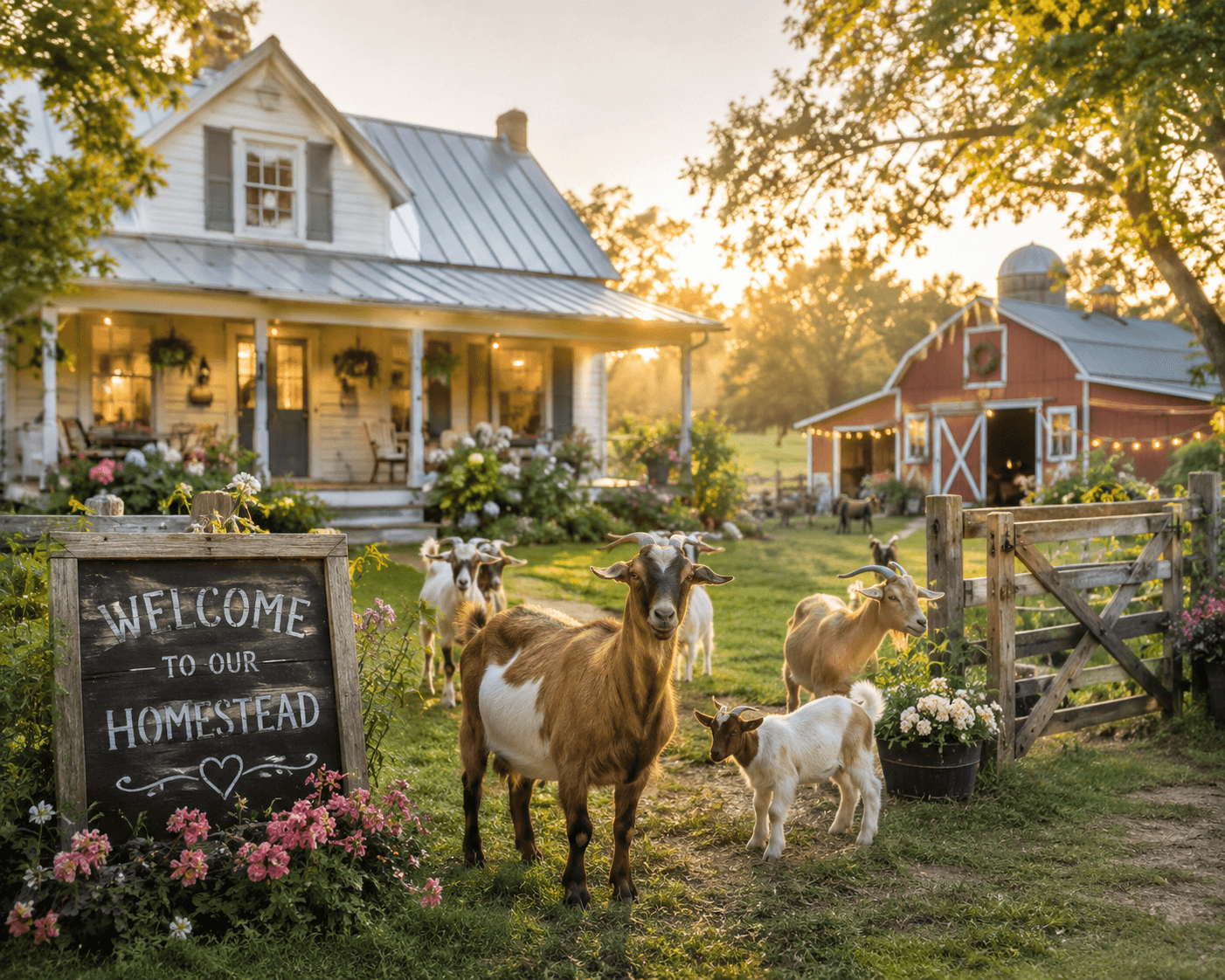
Why Kiko Goats Belong on Every Farm Homestead
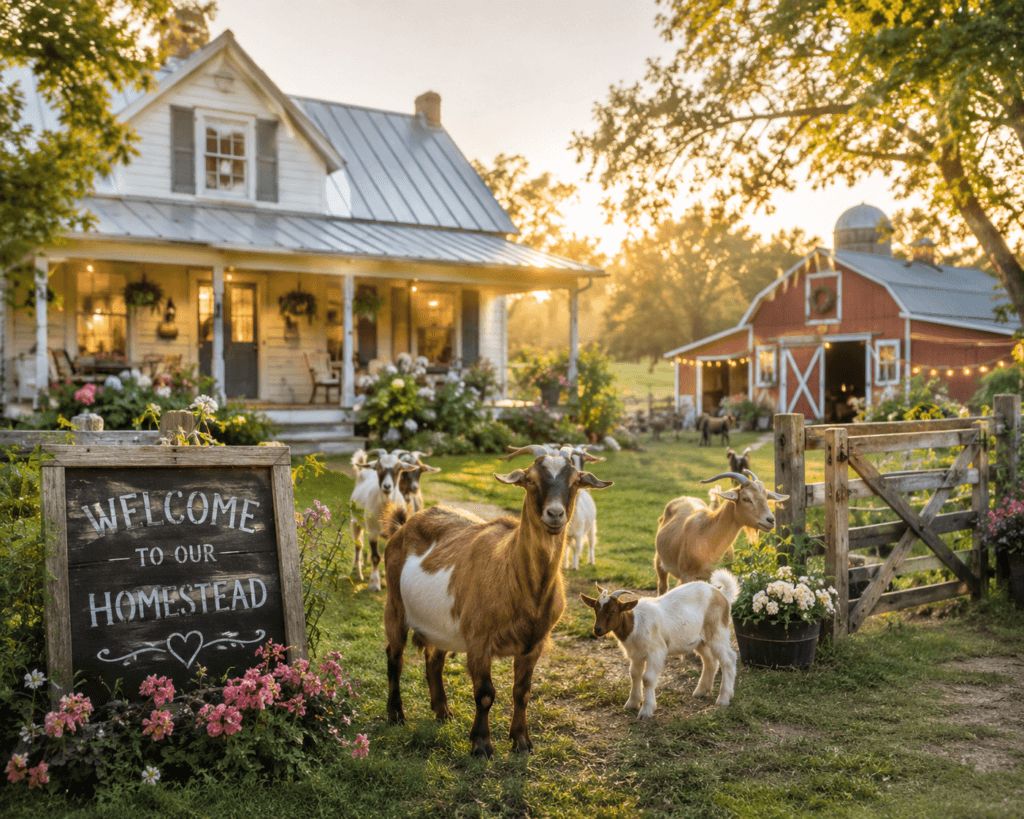
Hardy, productive, and right at home on a small farm homestead—Kiko goats bring meat production, milk, land management, and personality together in one remarkably useful animal.
A Breed Almost Designed for the Homestead
Whether your dream is a few peaceful acres or a thriving self-sufficient farm, choosing the right livestock can make all the difference. Chickens provide eggs, gardens provide vegetables, and fruit trees provide seasonal harvests—but if there is one animal that brings versatility, sustainability, and productivity together, it is the Kiko goat.
The history of the Kiko helps explain why this breed fits the homestead so well.
Kiko goats were developed in New Zealand beginning in the 1970s. The goal wasn’t to create a pampered show animal. The breeders wanted a productive meat goat that could survive, reproduce, and raise its young under rugged conditions with minimal human assistance.
They began with hardy New Zealand feral goats—animals that had survived for generations largely through natural selection. These goats were tough, resourceful, excellent foragers, and well adapted to difficult terrain, but they were relatively small.
These rugged goats were selectively crossed with larger dairy breeds. The dairy influence contributed greater body size, growth potential and, importantly for the homesteader, strong milk-producing ability.
Then came generations of selection for animals that could actually perform.
The result was the Kiko—a name derived from the Māori word for meat.
Rugged feral goat + productive dairy genetics + generations of selection for meat production = Kiko.
That is almost the perfect homestead lineage: a hardy meat animal, an excellent mother capable of producing plenty of milk, an aggressive browser, and a goat designed to thrive without being pampered.
One Goat, Several Homestead Jobs
The real beauty of the Kiko isn’t that it does one thing exceptionally well. It’s that the same animal can fill several roles on a small farm.
A Kiko can help put meat in the freezer, milk in the kitchen, cheese on the table, kids in the pasture, and unwanted brush under control.
That’s a lot of productivity from one relatively small animal.
Meat for the Family
Kikos are first and foremost meat goats. Goat meat—often called chevon—is lean, high in protein and remarkably versatile.
A processed goat provides many familiar cuts, including leg, shoulder, rack, loin and chops, along with stew meat and ground goat.
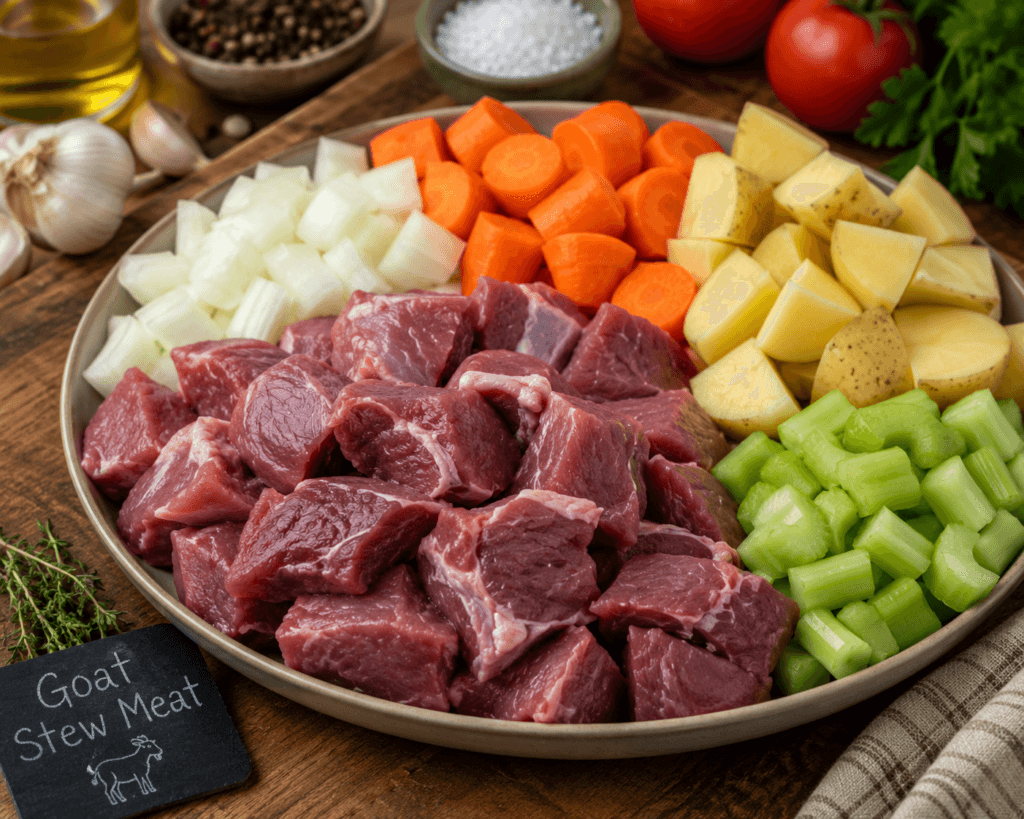
For a homesteading family, the size of a goat is also practical. You don’t have to process and store hundreds of pounds of meat at one time as you might with cattle.
Young goat can be prepared much like lamb, including chops, leg, shoulder, racks and kebabs. Because goat meat is generally lean, cooking technique matters—particularly with older animals and harder-working cuts, which often benefit from slow cooking or braising.
Milk Isn’t Just for Dairy Goats
Here’s an advantage of the Kiko that homesteaders sometimes overlook.
Kikos have dairy ancestry.
They weren’t developed to compete with specialized dairy breeds for maximum milk production. Their milk-producing ability was valuable because a doe needed enough milk to raise rapidly growing meat kids—often twins or triplets.
But that also creates an opportunity on a homestead.
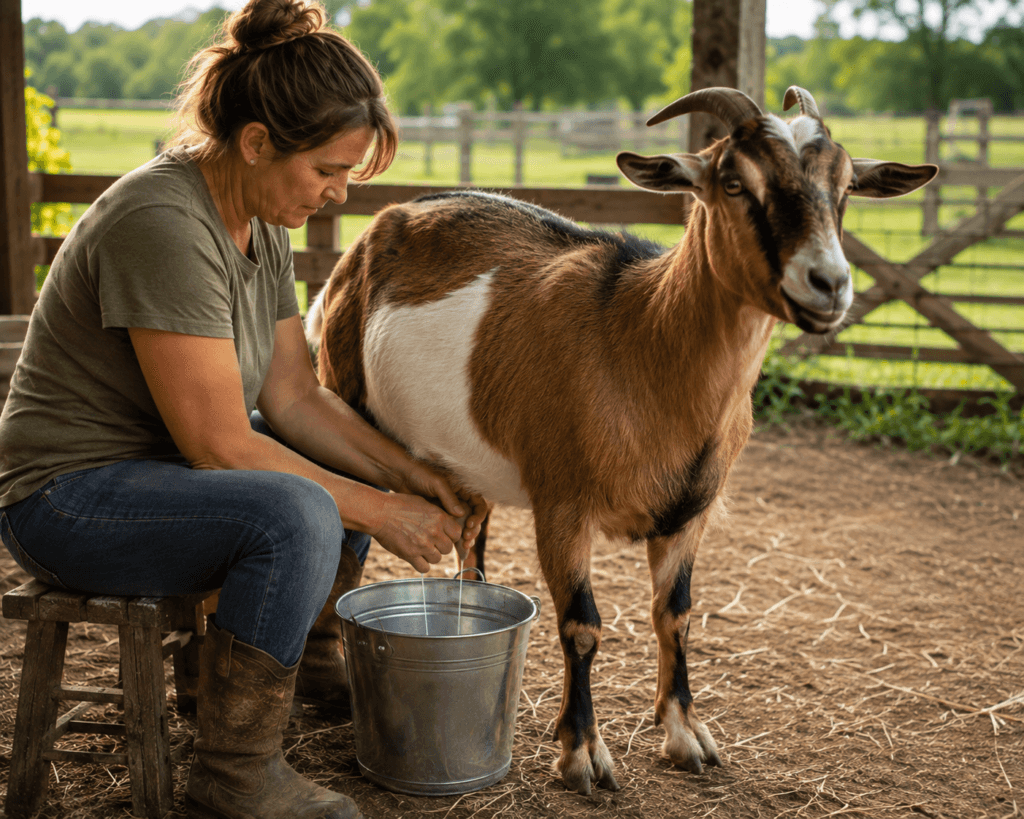
A good Kiko doe with adequate production can potentially provide some milk for the household while still fulfilling her primary role of raising kids. How much milk is practically available will vary greatly by the individual doe, her genetics, nutrition, number of kids and stage of lactation.
That’s an important distinction: the Kiko is not a specialized dairy breed, but a productive Kiko doe can certainly be milked.
For the homesteader who doesn’t need gallons of milk every day, that versatility can be more valuable than maximum dairy production.
From Goat Milk to Homemade Cheese
Fresh milk opens another door: homemade goat cheese.

Fresh chèvre is one of the simplest places to begin, but goat milk can be used for a wide range of cheeses and other dairy products.
Imagine the homestead cycle:
The pasture feeds the doe.
The doe feeds her kids.
The growing kids provide meat or breeding stock.
Surplus milk goes to the kitchen.
The kitchen turns milk into cheese.
The goats’ manure goes back onto the land.
That’s the kind of interconnected food production that makes homesteading so rewarding.
Nature’s Brush-Clearing Crew
Then there is the job goats will happily perform whether you ask them to or not: eating vegetation.
Kikos are excellent browsers. They readily consume woody plants, vines and weeds, including briars, blackberry vines, honeysuckle, kudzu and many other plants that cattle may largely ignore.
Instead of spending money and fuel continually fighting unwanted vegetation, goats can convert some of that vegetation into milk, meat and growing kids.
That’s a pretty impressive biological brush cutter.
Just remember that goats don’t necessarily share your definition of an “unwanted plant.” The expensive shrub you planted beside the house may look particularly delicious.
Built for Real-World Farming
Kikos were developed around performance rather than appearance. Traits valued in the breed include:
- Hardiness and adaptability
- Parasite resilience
- Strong maternal instincts
- Easy kidding
- Rapid kid growth
- Good milk production for raising offspring
- Strong feet and legs
- Excellent browsing ability
- Ability to perform with relatively modest inputs
That doesn’t mean Kikos are maintenance-free. They still need good fencing, clean water, appropriate minerals, adequate nutrition, shelter when necessary, hoof care, and responsible parasite and health management.
The difference is that their genetics were developed around the idea that the goat should do more of the work.
Exceptional Mothers
This may be one of the Kiko’s greatest advantages.
A meat doe doesn’t accomplish much if producing kids requires constant human intervention. The Kiko was selected for maternal performance.
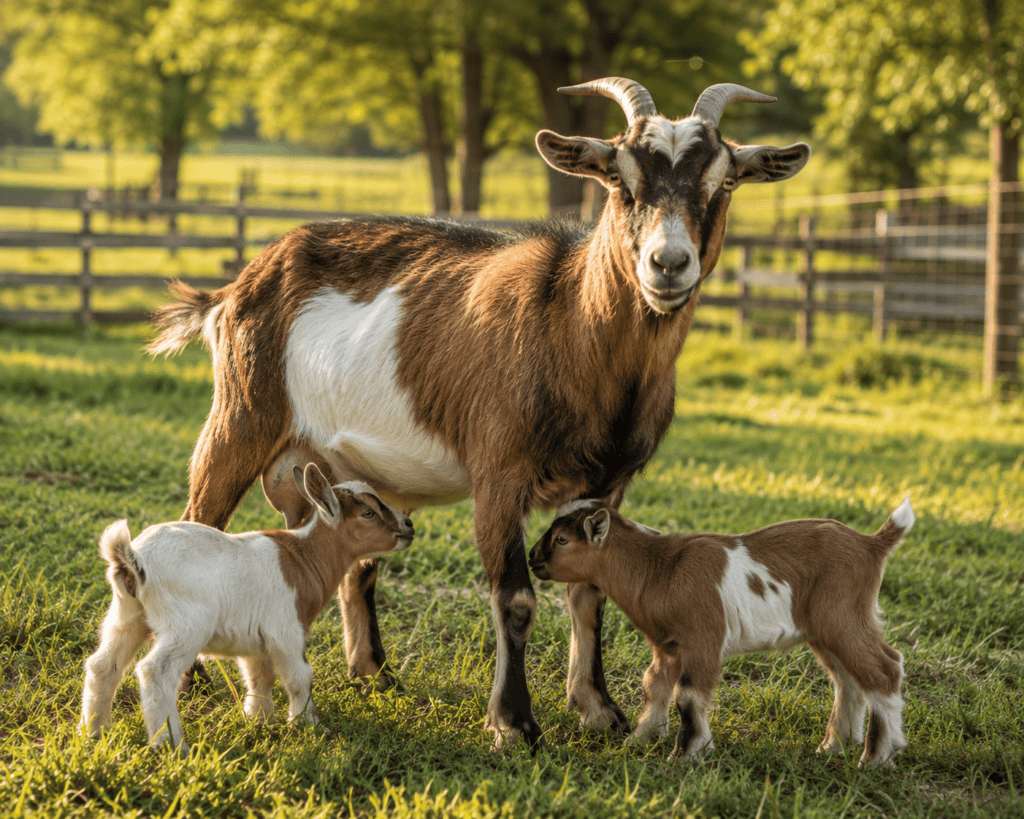
Good does commonly kid with little assistance, produce plenty of milk, raise twins successfully, and frequently raise triplets.
For the homesteader, that can mean fewer bottle babies, less labor and more kids raised naturally by their mothers.
The objective isn’t maximum milk production for the milk bucket. It’s first and foremost enough milk to turn newborn kids into strong, fast-growing goats.
If there’s additional milk available for the homestead, that’s a welcome bonus.
A Homestead Animal That Can Produce Income
A homestead doesn’t necessarily have to be a business, but it’s certainly nice when the livestock help pay the feed bill.
Kiko goats can potentially generate income through:
- Registered breeding stock
- Commercial breeding animals
- Market kids
- Meat goats
- Brush-management services
- Breeding services
A productive doe can raise multiple kids each year, and carefully selected breeding animals backed by good genetics and performance records may command substantially more value than animals sold strictly for meat.
So the same herd that contributes food to your family can also help generate income for the farm.
Perfect for Smaller Homesteads
You don’t need hundreds of acres to enjoy raising goats.
With rotational grazing, browse, good fencing and thoughtful pasture management, a relatively modest property can support a productive herd.
Goats also complement other homestead enterprises. They utilize vegetation other livestock may overlook, help reclaim brushy areas, and return nutrients to the soil through manure.
They’re essentially four-legged vegetation converters.
And Then There’s the Personality
The practical benefits may convince you to buy your first Kikos.
Their personalities may be what keeps you raising them.
Kiko goats are curious, intelligent, social and endlessly entertaining. Kids race through the pasture, jump onto anything resembling a platform and somehow turn an ordinary afternoon into a show.
Does develop distinct personalities. Bucks become impressive herd leaders. Before long, you’ll recognize individual goats from halfway across the pasture simply by the way they walk or call.
And every goat owner eventually discovers that whatever they believed was “goat-proof” was apparently considered by the goats to be merely an interesting engineering challenge.
The Perfect Homestead Lineage
When you look at what homesteaders traditionally want from livestock, the Kiko checks an unusual number of boxes.
Meat for the freezer.
Milk from a productive doe.
Cheese and other dairy possibilities for the kitchen.
Kids that can become food, breeding stock or income.
Manure to return nutrients to the soil.
Browsing that helps manage the property.
Hardiness that reduces the need for constant intervention.
And perhaps most importantly, the Kiko’s history explains why all these traits exist in the same animal.
It combines the survival ability and toughness of rugged New Zealand feral goats with the size and milk-producing characteristics contributed by dairy genetics, followed by generations of selection for productive meat-goat performance.
The result is an animal capable of taking sunshine, pasture, weeds, briars and brush and turning them into milk, cheese, meat, healthy kids, improved land and potentially farm income.
For a self-sufficient homestead, that’s difficult to beat.
Meat goat. Milk-capable mother. Rugged survivor. Natural browser. Productive livestock.
That’s a pretty impressive résumé for one homestead animal.




Add Comment